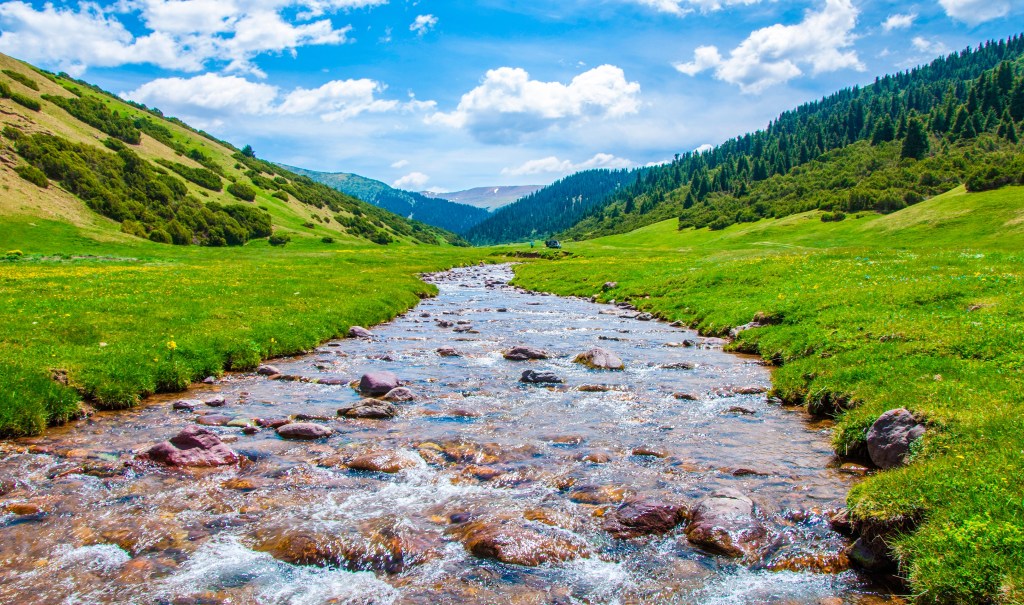

When last I left you, dear Reader, Jeremy and I had landed in Bulgaria after a whirlwind eight months of really shitty stuff happening. (See this post if you’re out of the loop.)
So, What’s Bulgaria like?
We arrived in Bulgaria with not much of a plan. Since our lives had been pretty much upended for the previous few months, we hadn’t spent our usual amount of time researching the possibilities of our new country. We decided this was going to be a time when our exploration was more boots on the ground.
We landed in Sofia with a month-long AirBnB booked and little else. After a couple days of jet lag recovery and learning how to navigate the local grocery store, we set about exploring the capital city of Bulgaria. One caveat: we knew in advance that we were landing in Bulgaria at a time of the year when it was not likely to be at its prettiest. So we were prepared to cut Sofia some slack in this regard.
Sofia
Sofia had not made it to our short list of places we thought we’d ultimately settle in Bulgaria. And our month-long stint there didn’t change our minds in that regard. That doesn’t mean we didn’t enjoy the city–only that it didn’t check enough boxes for our longer term home.

My Sofia impressions…in no particular order
- The city is more European in feel than I’d imagined. Bulgaria is one of the poorest countries in Europe, so I’d imagined a city with a subpar infrastructure similar to Quito. But that wasn’t the case. The transportation system is a collection of smooth-running buses, trolleys, taxis and subways that run on time and allowed us to get anywhere in the city cheaply, safely and efficiently. Unlike the buses in Ecuador, I never saw one on fire in Sofia. This is a major perk.
- Sofia feels incredibly safe. While we took big city precautions at all times, I never felt the threat to my safety that I consistently experienced in Quito. I walked alone at night and used my cell phone freely in public. More important, unlike the US, I never feel the need to check every public building for the escape route lest there be a mass shooting in my presence. Just for shits and grins, I Googled how many mass shootings Bulgaria has had. The answer? Two. And one of them was a dispute among family members as opposed to killing random strangers. So, in terms of my safety, I consider the number to be only the one that occurred in the early 1970’s.
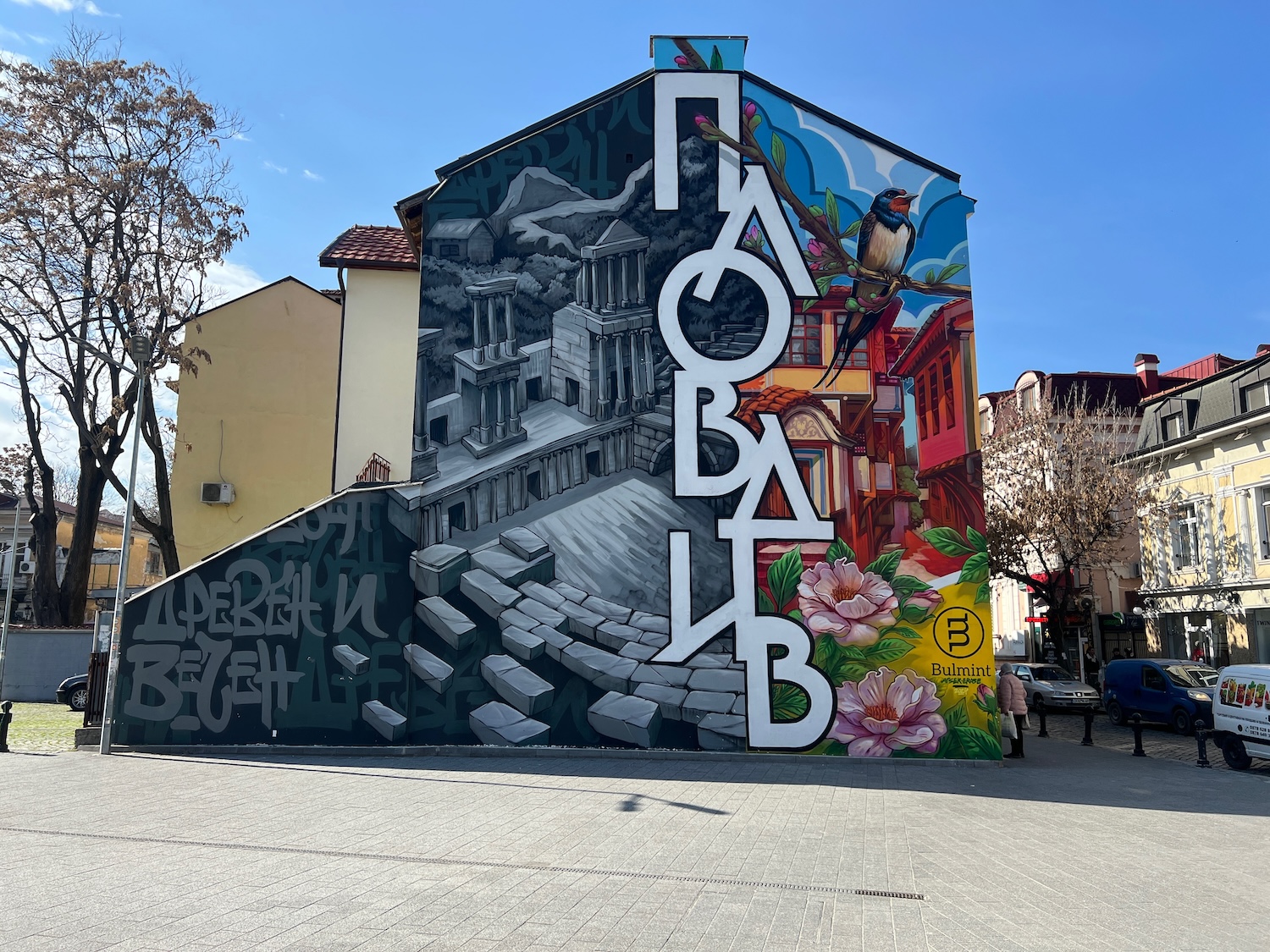
- Sofia–and indeed all of Bulgaria–is steeped in history. Like, really really old history. And it’s easy to access. Excavated Roman ruins lying underneath the city center have been preserved and are accessible to anyone free of charge. The architecture is also fabulous.
- The people of Sofia are kind. Most speak some level of English and everyone I asked for help was more than happy to assist. They’re not overtly friendly like many Americans, but if you reach out to them, they generally respond helpfully.
- Sofia drivers seem to like using their car horns to express their feelings–mostly those of displeasure. While every major city has its honkers, I noticed that Sofia drivers really lean on that horn for a prolonged period when someone cuts them off. Unlike the Ecuadorians, who toot and beep for everything from a pretty woman to someone running a red light, Bulgaria drivers utilize their horns selectively and loudly!
- One does not hail a taxi in Sofia in the traditional flagging-one-down way. Taxis are procured by using their app–much like Uber in the US. If you try to hail one on the street willy-nilly, they ignore you.
- Bulgaria doesn’t have a tipping culture. If you want to leave something extra, the most they expect is that you round up the bill to the next round number.
- It does, however, have a smoking culture. Lordy, these people puff away like chimneys! There is no smoking on public transportation or inside buildings. (So I’m thankfully not gagging when I go grocery shopping.) Restaurants are a problem for us. They often have a “non-smoking” section, which is so contaminated with secondhand smoke from the nearby smokers, that the designation is basically useless.
- Sofia is cold, damp and dreary in winter. I’ve lived in cold-weather climates for most of my life (Mexico and Ecuador notwithstanding) and usually prefer cooler temps. But Sofia did me in. It’s not that the temperature falls to incredible lows, but it’s quite damp. At 2,300 feet in elevation, the chill gets into your bones and takes hold.
- The cost of living is very affordable. Even in Sofia, where prices are higher than the rest of the country, most things are substantially less expensive than the US, and even Ecuador.

So Why Didn’t Sofia Make the Cut for Us?
It’s great. There are lots of things to see and do, and it’s easy to navigate. But it’s a city–a bit large for us when it comes to a longer term living situation. There is no easy and safe way for Jeremy to go on his hours-long bike rides. And as mentioned earlier, it’s freezing ass cold here in the winter.
Deciding Whether to Relax or Pound the Pavement Looking for our Next Home
As (hopefully) the final craptastic event to our craptastic 2024, we knew I had to return to the US for eye surgery in January. This left us with a quandary for the five weeks we were in Bulgaria. Do we take a much-needed break from the stressors of the prior year? Or do we go balls to the wall an line up our housing before I had to head back?

After a ton of deliberation, we ultimately decided it was worth it to suck it up and figure out a place before I went back to the States. Looking back on it, I’m not sure how we dredged up the emotional bandwidth to soldier on. But we did.
Where we ended up is a story for another blog post.
Lessons Learned
- When it comes to looking for a new country to live, there’s only so much of a feel you can get by watching YouTube videos. They’re a great place to start, but you really don’t get a sense until you get there.
- You have to know yourself and how much uncertainty and legwork you’re able to handle when it comes to moving abroad. Don’t aspire to adhere to anyone else’s pace. Do what works best for you.
- If you’re doing this with a partner, check in with them incessantly. Jeremy and I touched base daily as to where we were emotionally. And we tried to be conscientious of the times we were frustrated and exhausted. I hate being in limbo and Jeremy was just done with AirBnB living. Everyone involved has to honor the pet peeves of the other.
- Sometimes it helps to divide and conquer. When you’re in a foreign country, especially where you don’t speak the language, every day tasks can feel overwhelming. Setting up a phone plan, figuring out how to use the ATMs, and figuring out how to get from Point A to Point B can leave you feeling spent. Whenever possible, Jeremy and I split up some of these duties. Two can usually get more things accomplished than one, so it doesn’t serve to be joined at the hip 24/7.
- Keep in touch with your support system back home. This can be challenging with the time difference, but it really helped my sanity to have others to turn to for support (not to mention a good laugh) when I sometimes questioned why the hell we were doing this.
As of this writing, I’m currently in the US. It’s one week post eye surgery and the healing seems to be on track. Jeremy is still In Bulgaria investigating a ton of cool stuff so we can immerse ourselves in Bulgarian life when I return.


Leave a Reply